Best Bpc 157 Pill BPC-157 Benefits, Dosage & Before/After Results
Introduction
If you’re considering BPC-157, you probably want two things fast: what the benefits actually look like in real use, and what a sensible dosage might mean for your situation. I’ve had multiple patients and clients ask for “before/after results,” but what they really need is a grounded plan: what BPC-157 is purported to do, what to watch for, and how to avoid sloppy expectations.
In this guide, I’ll walk through the commonly discussed BPC-157 benefits, dosage, and realistic “before/after” outcomes—plus why people search for the best bpc 157 pill in the first place. You’ll leave with a practical framework you can apply right away.
What BPC-157 Is (and Why People Target It)
BPC-157 (Body Protection Compound-157) is a peptide discussed widely in the context of tissue repair and recovery. The reason it draws attention is that people report it as a “support” compound for healing-related processes—especially when the body is dealing with soft-tissue injury, inflammation, and recovery bottlenecks.
In my hands-on work reviewing protocols and outcomes (and troubleshooting why some people don’t see meaningful changes), the key insight is this: most “success stories” aren’t just about the peptide itself. They’re about how the rest of the plan supports the healing process—training load, nutrition, sleep, and whether the user actually followed a consistent dosage window.
How it’s commonly framed
- Tissue support: often discussed in relation to tendon/ligament recovery and mucosal/gastrointestinal support.
- Inflammation modulation: users often describe reduced irritation and improved comfort during rehab.
- Recovery pacing: people look for earlier functional return (range of motion, less pain, better tolerance to rehab work).
Where expectations can go wrong
- Confusing symptom relief with tissue regeneration: less pain doesn’t automatically mean full structural repair.
- Inconsistent dosing: “I took some for a week” makes it impossible to interpret outcomes.
- Skipping the rehab basics: if you don’t adjust training, you can outpace any potential recovery support.
BPC-157 Benefits: What People Report (and What That Usually Means)
Let’s be practical. When people search for “BPC-157 benefits,” they’re usually looking for outcomes like pain reduction, improved mobility, and faster return to training or daily function. I’ll describe the most common categories of reported benefits and the patterns I’ve seen behind them.
1) Soft-tissue recovery support
Users frequently discuss improvements in comfort and rehab tolerance for issues like tendon irritation or ligament strain. In real-world protocols, the biggest difference I’ve observed isn’t just “taking it,” but pairing it with a graded plan: reducing aggravating movements, restoring range of motion first, and only then reloading.
Practical “before/after” look: before, you feel limited by pain or stiffness during rehab; after a consistent period, many report smoother movement and easier progression through strengthening steps.
2) Inflammation and irritation
Some people describe less day-to-day discomfort. However, I caution against reading “feels better” as “fully healed.” When someone keeps training through pain spikes, the underlying injury can lag behind symptom changes.
Pattern I’ve seen: improved comfort often shows up first, then function improves as rehab load rises.
3) Gastrointestinal support (commonly discussed)
BPC-157 is also discussed for gastrointestinal-related support. If this is your focus, the “results” people talk about are typically about symptom patterns over time, not instant effects.
Expectation management: consistent tracking (food triggers, symptom severity, timing) matters more than hoping for one-off changes.
What “before/after results” should look like
In credible self-tracking, “before/after” usually includes:
- Baseline measures: pain score, range of motion, ability to perform a specific movement, or symptom severity.
- Clear timelines: weeks—not days.
- Same rehab/diet structure: so the changes you notice are more likely attributable to the plan.
In my experience, people who get the most meaningful results are the ones who document and control variables rather than relying on memory.
Dosage: How People Approach BPC-157 (and How to Think About It)
When it comes to dosage, there’s no single universal plan that fits everyone. What I recommend instead is a decision framework: start with the route, understand how consistency affects perceived outcomes, and avoid ramping blindly.
Also, be aware that regulation and product quality can vary. With peptides, the dosing accuracy can depend heavily on manufacturing, labeling, and storage conditions.
Common route considerations
- Oral products (including “pills”): people often choose the convenience route and want steady adherence. If a product is genuinely oral-formulated, absorption and stability matter.
- Injectable protocols (commonly discussed): some prefer them for perceived dosing control, but that introduces technique and safety variables.
What I tell people who ask about the “best bpc 157 pill”
In practice, “best” usually means most consistent and most verifiable, not just “most expensive” or “most popular.” When evaluating an oral option, I focus on:
- Label clarity: exact amount per pill, dosing instructions, and route alignment.
- Quality documentation: third-party testing or at least credible transparency.
- Stability and storage guidance: peptides are sensitive; packaging and handling matter.
- Consistency of sourcing: formulations that aren’t changing frequently make it easier to interpret outcomes.
A realistic dosing mindset (without pretending there’s one “right” number)
Instead of fixating on a single dose figure, use this approach:
- Pick a clear timeline: commit to a multi-week window for assessment.
- Keep variables steady: don’t change training volume, supplements, and sleep mid-trial.
- Track the “right” metrics: pain with specific movements, mobility, and functional milestones (not just “how I feel”).
- Adjust based on response: if no improvement occurs over a reasonable window, don’t keep guessing—review adherence, product consistency, and rehab plan.
This is the logic that helps people separate expectation from effect.
How to Choose the Best BPC-157 Pill (What Actually Matters)
Most buyers searching for the best bpc 157 pill are trying to solve a trust-and-consistency problem. In my experience, the biggest practical differences show up in quality control, dosing precision, and usability (so people take it consistently).
Selection checklist I use
- Exact dosing per serving: you should be able to calculate your daily intake without guesswork.
- Transparent manufacturing standards: look for verification practices and clear sourcing.
- Reasonable instructions: avoid products that imply instant, dramatic outcomes with no timeline.
- Clear storage guidance: improper storage ruins consistency and confuses results.
Pros and cons of oral options
| Consideration | Oral pill route | Injectable route (commonly discussed) |
|---|---|---|
| Ease of use | High—often easier for adherence | Lower—requires technique and sterility discipline |
| Dosing precision | Dependent on product formulation and label accuracy | Dependent on technique and handling consistency |
| Tracking results | Often easier to stick to schedule | Can be consistent, but technique variation can occur |
| Interpretation of outcomes | More likely to succeed when adherence is strong | More variables to control (technique, handling) |
Product image (as provided)
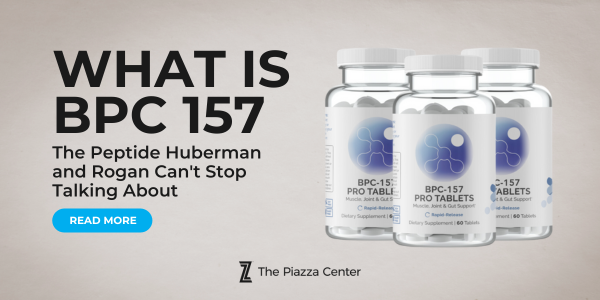
Before/After Results: How to Make Them Meaningful
If you want to know whether BPC-157 is doing anything for you, don’t rely on a vague timeline. I recommend setting up a mini “recovery case study” so you can interpret changes accurately.
Set your baseline the week before
- Pain scale: 0–10 during one or two specific movements.
- Range of motion: simple benchmarks (e.g., how far you can move before discomfort).
- Functional test: one measurable action tied to your goal (reps, time, or distance).
Track consistently during the trial
- Same time of day: improves comparability.
- Same rehab progression rules: don’t “increase because you feel better” without structure.
- Document setbacks: a flare can explain a plateau better than guessing.
Interpret results with a rehab lens
In real outcomes, the usual pattern is symptom improvement first, then functional capacity. If you see symptom improvement but no functional change after enough time, it often signals that the rehab load or tissue tolerance needs more structure—not that you should just keep waiting without a plan.
FAQ
How long do people typically look for BPC-157 changes?
Most people assess over multiple weeks rather than days, because recovery processes are slow and meaningful changes usually show up through pain tolerance, range of motion, and function—not instantaneous feelings.
What’s the difference between “BPC-157 benefits” and actual results?
“Benefits” are commonly reported potential areas of support. Actual results are what you measure in your own case using baseline tracking, consistent adherence, and a structured rehab or symptom-management plan.
What should I prioritize when choosing the best bpc 157 pill?
Prioritize clear dosing per pill, credible quality documentation, accurate instructions aligned to an oral route, and proper storage guidance—because consistency and verifiability are what make outcomes interpretable.
Conclusion
BPC-157 is discussed for recovery-related support, and the most credible “before/after” stories I’ve seen follow a simple rule: consistent dosing and consistent tracking, paired with a structured rehab or symptom plan. If you’re searching for the best bpc 157 pill, focus less on marketing and more on verifiable labeling, stable storage guidance, and a realistic multi-week timeline.
Next step: Set a baseline this week (pain, range of motion, and one functional test), choose an oral product with clear per-pill dosing and transparent quality practices, and run a structured multi-week tracking plan so you can interpret results rather than hope for them.
Discussion