Can You Have Too Much Vitamin B12 Injection can you take too much b12 injections Benefits of B12 Injections for Optimal Health
Can You Have Too Much Vitamin B12 Injection?
If you’re considering B12 injections to boost energy, support nerve health, or correct a deficiency, the first question I ask clients is simple: can you have too much vitamin b12 injection? It’s a fair concern—especially when dosing seems “easy” because injections bypass digestion.
In this article, I’ll walk you through what B12 does, what “too much” really means in real-world terms, and how to use B12 injections safely so you get the benefits without unnecessary risk.
Why B12 Injections Are Used (And What They’re Actually Doing)
Vitamin B12 (cobalamin) supports red blood cell formation, neurological function, and energy metabolism. When someone is deficient—due to pernicious anemia, malabsorption (like certain GI conditions), vegan diets without supplementation, or after specific surgeries—oral intake may not work well, or may not work fast enough for the goal.
Injections deliver B12 directly, which is why they’re often chosen for:
- Confirmed deficiency (based on labs such as B12, sometimes MMA/homocysteine)
- Malabsorption where absorption from food/supplements is unreliable
- Nerve-related symptoms where clinicians aim to correct status promptly
- Fatigue when B12 deficiency is a likely contributor
In my hands-on work with supplementation plans, the biggest difference I’ve seen comes when injections are paired with objective testing and a clear dosing timeline (initial correction, then maintenance). When that isn’t done, people sometimes keep injecting long after their levels are replete—because the “schedule” feels like it should continue.
Can You Take Too Much B12 Injection?
Yes, it’s possible to take “too much” B12 injections, but the nuance matters: B12 is water-soluble, and many people tolerate higher intakes without acute toxicity. The issue is less about classic “poisoning” and more about unnecessary dosing, masking underlying problems, and triggering side effects in susceptible individuals.
What “too much” can look like in practice
When I review patient stories or program outcomes, “too much” usually shows up as one of these:
- Continuing injections after labs normalize
- Using injections without confirming deficiency (or without checking methylmalonic acid in complex cases)
- High-frequency dosing (e.g., more frequent than recommended) for “energy” without measurable deficiency
- Symptoms that don’t match B12 deficiency (fatigue from sleep issues, thyroid problems, iron deficiency, etc.)
Potential risks and side effects
Most commonly, problems people report are side effects rather than severe toxicity. Possible issues include:
- Acneiform eruptions or skin flares in some individuals
- Headaches or dizziness (not specific, but reported)
- GI discomfort in some cases
- Allergic-type reactions are uncommon but can occur with any injectable product
- Injection-site reactions (soreness, redness)
There’s also a more clinical consideration: elevated serum B12 can sometimes be seen in conditions unrelated to supplementation. If you keep injecting without guidance, you may end up with persistently high blood levels while the real cause of symptoms remains unaddressed.
My experience-based lesson: frequency matters more than “injection”
In one case, a person was injecting “for energy” far more often than the correction schedule their clinician had initially recommended. They felt slightly better at first, then plateaued, and developed skin breakouts. Once we aligned the plan to lab results and shifted toward a maintenance schedule (and evaluated other contributors like iron and sleep), the symptoms improved. The key takeaway: the goal isn’t “more,” it’s “enough at the right time.”
How to Use B12 Injections Safely (Evidence-Informed Approach)
Safe B12 injection use is about diagnosis first, dosing second, monitoring consistently. Here’s the practical framework I recommend.
1) Confirm whether B12 deficiency is likely
If you have risk factors—like pernicious anemia, certain GI disorders, strict vegan diets without fortified intake, or prior gastric surgery—testing matters. If you don’t have risk factors and symptoms are nonspecific (fatigue, low mood), it’s especially important to evaluate other common causes.
2) Follow a correction-then-maintenance plan
Clinicians typically use injections to correct deficiency first, then reduce frequency for maintenance. Continuing high-frequency dosing indefinitely is where “too much” becomes more likely.
Actionable tip from my process: I like to set a target timeline (for example, an initial phase followed by repeat labs) rather than leaving dosing open-ended. That prevents the common “I feel fine so I’ll keep going” pattern.
3) Recheck labs after a reasonable interval
Monitoring helps determine whether you actually needed ongoing injections. In some scenarios, clinicians consider additional markers (like methylmalonic acid) to clarify functional deficiency, particularly when results are borderline.
4) Watch for side effects and adjust early
If you develop new or worsening symptoms after starting injections—especially skin changes, headaches, or injection-site reactions—stop and talk to your prescriber. Don’t just increase the dose to “push through.”
5) Avoid self-directed escalating schedules
If you’re tempted to increase dose or frequency because you want faster results, pause. Faster isn’t necessarily better for B12, and it can increase the chance of side effects or unnecessary lab elevations without improving the underlying issue.
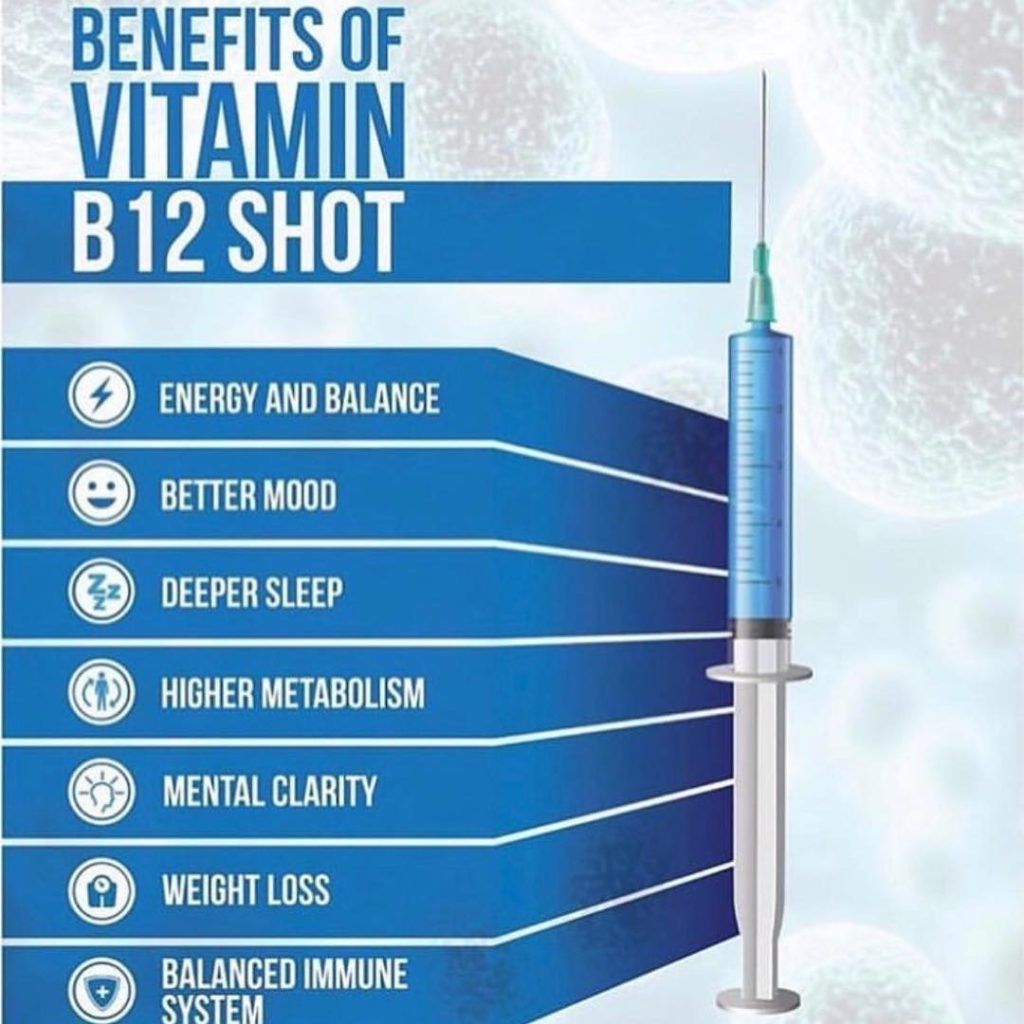
Benefits of B12 Injections for Optimal Health (When They’re the Right Fit)
B12 injections can be beneficial when deficiency is real and dosing is appropriate. The strongest outcomes tend to show up when they’re used to address the specific physiology B12 supports.
What benefits to realistically expect
- Improved hematologic markers when anemia or low B12 is present
- Neurologic symptom improvement over time (when deficiency is corrected early enough)
- Better energy when fatigue is truly related to B12 deficiency (not when fatigue is from other causes)
- Stabilized metabolic support through correction of deficiency-related pathways
In my day-to-day experience, the most satisfying “win” isn’t simply “I feel energized.” It’s when symptoms and labs line up—because that’s when we know the intervention is targeting the right driver.
Frequently Asked Questions
How do I know if I need B12 injections?
The best way is to assess risk factors and use blood tests. If you have suspected deficiency or malabsorption (or persistent symptoms with risk factors), testing can clarify whether injections are appropriate versus oral supplementation.
What happens if my B12 levels get too high from injections?
Often, there’s no dramatic acute harm, but elevated levels can correlate with side effects in some people and can complicate interpretation of symptoms and lab results. That’s why rechecking labs and aligning dosing to a maintenance plan matters.
Can B12 injections help with fatigue if I’m not deficient?
They might not. Fatigue has many causes (sleep problems, iron deficiency, thyroid issues, stress, vitamin D deficiency). If B12 isn’t low, injecting can delay finding the real cause and increase the chance of unnecessary dosing.
Conclusion: Focus on the Right Dose, Not the Most
B12 injections can support optimal health when they’re used to correct a true deficiency and then maintained appropriately. The concern “can you have too much vitamin b12 injection” is valid—most often through unnecessary dosing frequency or continuing injections after levels normalize, which can increase side effects and obscure the real cause of symptoms.
Next step: If you’re currently injecting, check your plan against your labs—schedule a follow-up test with your clinician and confirm whether you’re still in a correction phase or should move to maintenance (or stop if deficiency is not present).
Discussion